Don’t Skip the Sunscreen This Summer? Your Skin Will Thank You
North Texas summers mean more sun exposure — and more sunburn-related ER visits. Here's when a burn needs more than aloe.


Written by: Corey Alexander
Published on: July 16, 2026
North Texas summers come with the kind of weather that pulls families to the lake or water parks, kids onto the ball field, and everyone else into the backyard. It's also exactly the kind of weather that sends more than 33,000 people to the ER every year for something entirely preventable: sunburn.
“We see it every summer, without fail. People often underestimate the severity of sunburn. However, prolonged sun exposure can quickly lead to significant skin injury, severe blistering, and dehydration. In some cases, fever or other signs of heat-related illness can occur. By the time those symptoms develop, it's no longer something that can be safely managed at home and medical evaluation may be necessary.”
Why the Danger is High in North Texas
Sunburn might sound like a mild inconvenience, but sunburn-related ER visits climb every spring and summer, especially across the South. Locally, the UV index around Dallas-Fort Worth regularly hits 7 or higher from May through August, moving from "high" into "very high" exposure territory on many afternoons.
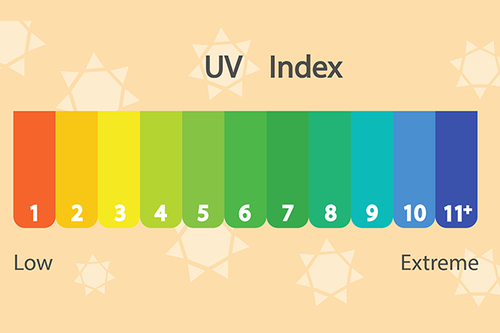
Add in the heat, and a normal day outside can turn into a medical situation fast, especially for kids and elderly adults, and anyone spending long shifts working outdoors.
“It's the combination that puts people at risk. You're not just dealing with a sunburn. You're also losing significant amounts of fluid in extreme heat. That combination can quickly lead to dehydration and heat-related illness.”
Sun protection isn't just about avoiding a painful weekend. Research shows the effects of sunburn add up over time. Each additional blistering sunburn before age 15 raises a person's melanoma risk by about 3%. The takeaway from researchers is clear: there's no "safe" number of childhood sunburns, and everyone adds to the risk.
When a Sunburn Needs More Than Aloe
Most sunburns are uncomfortable but manageable at home with cool compresses, hydration, and over-the-counter pain relief, Dr. Mayer says. But he recommends coming in if you notice:
- Large blisters, or blistering that covers a significant portion of the body
- A fever above 103°F, chills, or confusion
- Signs of dehydration, like dizziness or infrequent urination
- Any sunburn on an infant or very young child
"Don't ignore symptoms or try to push through them. We would much rather evaluate someone early, provide appropriate treatment, and prevent complications than have them wait until a sunburn or heat-related illness becomes significantly more serious."
Protect Yourself and Your Family
Whether you're at a ballgame, on the water, or working outside, sunscreen should be part of the plan every time.
Dr. Mayer encourages the use of a broad-spectrum sunscreen, SPF 30 or higher, and reapply often. Other tips are:
Your sunscreen options are also about to get better. In June, the FDA approved bemotrizinol, the first new sunscreen ingredient allowed in the U.S. in more than two decades. It's been used safely in Europe and Asia for years, and it's known for blocking UVA rays, the kind that drive premature aging and contribute to skin cancer, more effectively than ingredients currently available on U.S. shelves.
For now, Dr. Mayer says the fundamentals still apply. And if something ever feels off, Methodist Legacy ER & Urgent Care is here for you and your family.
"You don't need to know exactly what's wrong before seeking care. If you're concerned about your symptoms, come see us. We'll evaluate your condition, determine what's causing it, and make sure you receive the appropriate treatment."