High Blood Pressure Risks and Care in Dallas-Fort Worth
Nearly half of American adults have high blood pressure—and many don’t even realize it.


Written by: Corey Alexander
Published on: July 16, 2026
Hypertension is especially concerning in fast-growing areas like Dallas-Fort Worth, where busy lifestyles, stress and diet can all play a role.
“High blood pressure is often called the ‘silent killer’ because most people don't experience symptoms until it reaches dangerous levels. That's why regular monitoring is so critical, especially here in North Texas, where heart disease remains one of the leading health risks.”
What Happens When Blood Pressure Stays High
When blood pressure remains elevated, it puts continuous strain on the arteries. Over time, this damages vessel walls, leading to buildup that narrows blood flow. Narrowed arteries force the heart to work harder, creating a cycle that increases the risk for heart attack, stroke, kidney problems or vision loss.
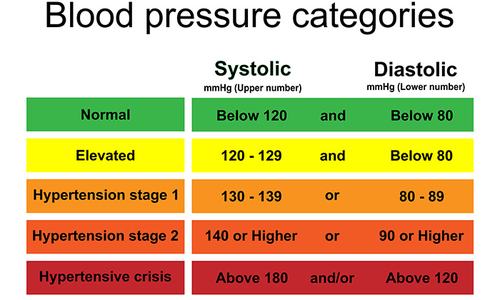
Blood pressure is measured with two numbers:
- Systolic (top number): Pressure when your heart pumps.
- Diastolic (bottom number): Pressure when your heart rests between beats.
“Normal blood pressure is below 120/80 mm Hg. Anything consistently higher increases your risk for long-term health issues."
Why High Blood Pressure Is Often Missed
Most people with high blood pressure have no symptoms, even at dangerous levels. In some cases, though, people may notice headaches, shortness of breath or nosebleeds.
"The tricky thing is that high blood pressure doesn't always feel urgent, but it can suddenly become life-threatening."
How DFW Residents Can Keep Blood Pressure in Check
The good news? High blood pressure is manageable, and a few consistent habits can make a real difference. Here's what Dr. Mayer recommends for keeping your numbers in a healthy range:
When to Seek Care
Not every high blood pressure reading calls for the same response. Here's how to know which level of care fits your situation:
- Seek help right away if your blood pressure reads above 180/120 and you're experiencing chest pain, confusion, severe headache, vision changes or shortness of breath. These can be signs of organ damage.
- If your blood pressure suddenly spikes but you don't have severe symptoms, you should see a doctor for an evaluation, medication adjustments and follow-up guidance.
Methodist Legacy ER & Urgent Care has locations across Dallas-Fort Worth, offering both emergency room and urgent care services under one roof so patients don't have to decide where to go when they're dealing with high blood pressure. That means no guesswork, no appointment needed and no wondering whether you picked the right door. Find your nearest Methodist Legacy ER & Urgent Care location and get the care you need, today.
Find your nearest Methodist Legacy ER & Urgent Care location and get the care you need, today.