Stomach Pain: When to Rest and When to Get Checked Out
Most stomach aches pass on their own, but some are your body's way of asking for help. Here's how to tell them apart.


Written by: Corey Alexander
Published on: July 28, 2026
That sudden cramp, dull ache or sharp twinge in your abdomen can stop you in your tracks. Sometimes it's nothing more than something you ate. Other times, it's your body's way of signaling that something more serious may be going on.
"Most stomach pain is mild and temporary, but in North Texas, we see certain patterns throughout the year, especially with viral stomach illnesses, foodborne infections and dehydration. Knowing when to monitor your symptoms and when to seek care can make a big difference."
We asked Dr. Mayer to explain the most common causes of abdominal pain, what different types of pain can mean and when it's time to see a medical provider.
Common Causes of Stomach Pain
Most abdominal pain is related to the digestive system and often resolves on its own. Some of the most common causes include:
- Indigestion or acid reflux: A burning sensation in the upper abdomen or chest, often after eating.
- Gas and bloating: Usually harmless, but persistent bloating or discomfort may be related to irritable bowel syndrome (IBS), food intolerances or other digestive conditions.
- Constipation: A frequent cause of abdominal discomfort that is often linked to dehydration, low fiber intake or changes in routine.
- Food poisoning: Improperly cooked or stored food can cause nausea, vomiting, diarrhea and stomach cramps, particularly during the warmer months.
- Stomach viruses: Viral gastroenteritis, commonly called the stomach flu, is one of the most common reasons people develop sudden abdominal pain, vomiting and diarrhea.
- Food sensitivities: Lactose intolerance, gluten sensitivity and other food intolerances can trigger recurring abdominal discomfort
"Even illnesses that start out mild can become serious if symptoms worsen. Norovirus, for example, can lead to significant dehydration, especially in young children and older adults."
Where Is the Pain Located?
The location of your pain can provide important clues about what's causing it. Because several organs occupy the abdomen, physicians often divide it into four quadrants when evaluating patients.
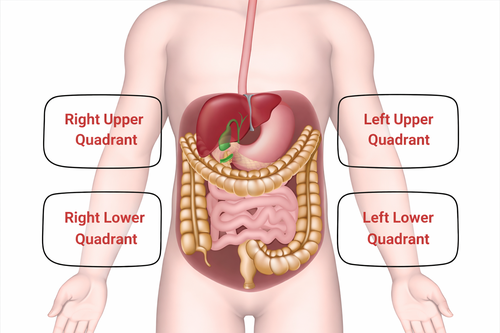
- Lower right abdomen: Pain that begins near the belly button and moves to the lower right may be a sign of appendicitis.
- Upper right abdomen: Pain after eating, particularly fatty foods, may indicate gallbladder disease, especially if accompanied by nausea.
- Upper left abdomen: This area is commonly associated with stomach conditions such as gastritis or, less commonly, inflammation of the pancreas.
- Lower left abdomen: Pain here is often related to constipation or diverticulitis, an inflammation or infection of small pouches in the colon.
"Where the pain occurs is just one piece of the puzzle. We also consider how severe it is, how quickly it started and whether it's associated with symptoms like fever, vomiting or changes in bowel habits."
How to Relieve Mild Stomach Pain at Home
If your symptoms are mild and you're otherwise feeling well, home care may be all you need. Dr. Mayer recommends giving your digestive system a break by eating bland foods like bananas, rice, applesauce and toast, while staying well hydrated. A heating pad or warm compress can also help ease muscle cramps. For additional relief, over-the-counter options such as antacids or gas relief medications may help, and natural remedies like ginger for nausea or peppermint for gas and indigestion can be worth trying.
If symptoms continue, worsen or repeatedly return, it's important to be evaluated by a healthcare provider.
When It's Time to Seek Medical Care
According to Dr. Mayer, stomach pain that isn't improving — or that's getting worse — means it's time to seek care.
You should seek medical attention immediately if you experience:
"Don't try to diagnose yourself based on where the pain is. The same symptom can have many different causes, and sometimes serious conditions don't present the way you'd expect. We'd much rather evaluate someone early than have them wait until a condition becomes much more difficult to treat."
Whether it's a stubborn case of constipation or something that needs a closer look, Methodist Legacy ER & Urgent Care combines emergency and urgent care under one roof. That means no guesswork, no appointment needed and no wondering whether you picked the right door. Find your nearest Methodist Legacy ER & Urgent Care location and get the care you need, today.